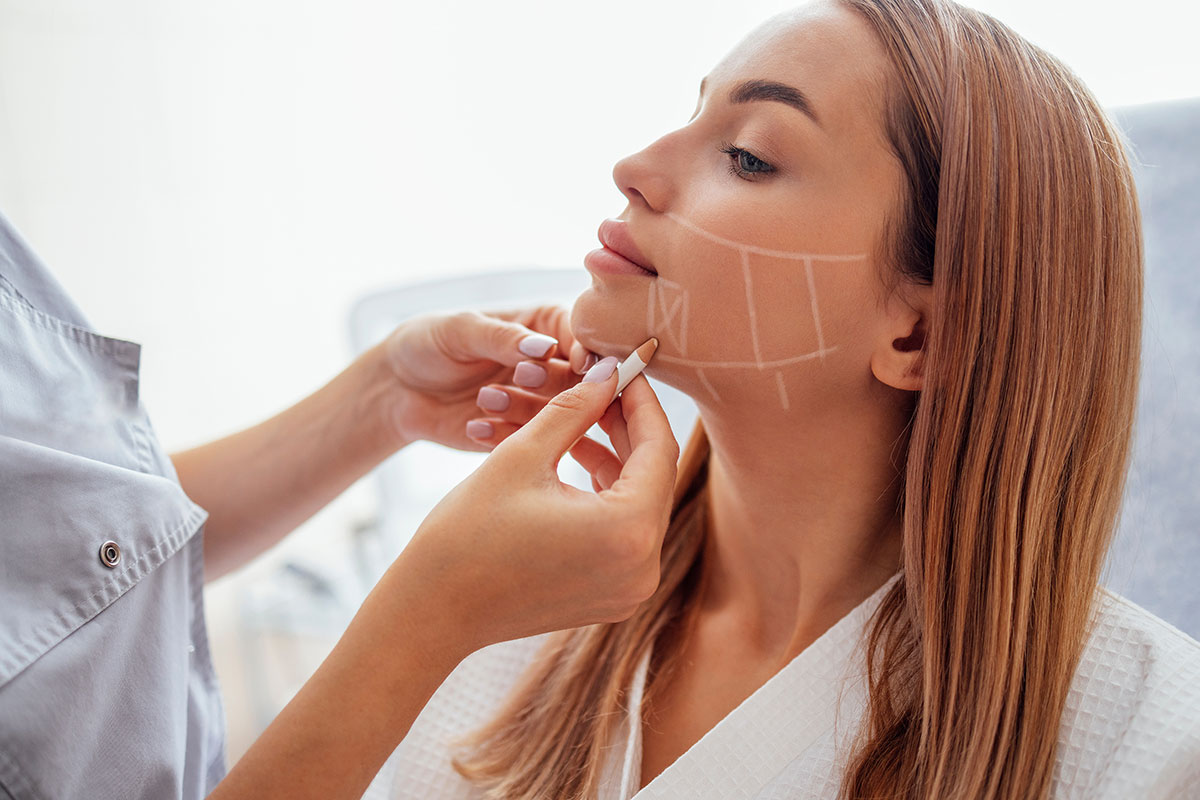
One of the most important parts of my job as a facial plastic surgeon is education. Before any procedure is scheduled, before any surgical plan is finalized, there must be understanding. Aesthetic surgery is not just about technique. It is about partnership. When patients are well informed, they make better decisions, have more realistic expectations, and ultimately achieve better outcomes.
At SHERBER+RAD, we view education as the foundation of excellent care. An informed patient is empowered, confident, and prepared for both the process and the results.
Understanding the Aging Process
Many patients come in with concerns about specific features such as jowls, under-eye hollows, or sagging brows. What they may not fully understand is why these changes occur. Facial aging is complex. It involves structural shifts, volume loss, changes in skin quality, and the effects of gravity over time.
When patients understand the anatomy and biology behind their concerns, recommendations make sense. A deep plane facelift is not simply about tightening skin. Fat grafting is not just about adding fullness. Each intervention addresses a specific layer of the aging process. Education helps patients see the bigger picture and appreciate why certain procedures are suggested over others.
Setting Realistic Expectations
Clear communication about what surgery can and cannot achieve is essential. Aesthetic procedures can create meaningful improvement, but they do not stop the aging process. They also cannot completely change identity or solve unrelated personal challenges.
When expectations are realistic, satisfaction is significantly higher. I spend time discussing recovery timelines, swelling, bruising, and the gradual evolution of results. Patients should understand that healing is a process. Results refine over months, not days. By explaining this in advance, we prevent unnecessary anxiety and foster trust throughout recovery.
The Importance of Safety Education
Patient education also includes a discussion of safety. Every surgical procedure carries risks, and transparency is critical. We review medical history, potential complications, and the importance of following preoperative and postoperative instructions carefully.
When patients understand why certain guidelines exist, such as avoiding smoking or maintaining proper nutrition, they are more likely to comply. This cooperation reduces complications and supports optimal healing. Education transforms instructions from rules into meaningful actions that directly impact outcomes.
Choosing the Right Procedure
The aesthetic field offers a wide range of options, from surgical lifts to non-surgical treatments. Without proper guidance, it can be overwhelming. Patients may arrive with information gathered from social media, online forums, or friends. While some of this information can be helpful, it is often incomplete or misleading.
Education allows us to clarify misconceptions and align treatment plans with anatomical reality. For some patients, surgery is the appropriate solution. For others, a less invasive approach may achieve their goals. When patients understand the reasoning behind these recommendations, they feel confident rather than pressured.
Long-Term Maintenance and Skin Health
Surgery is not an isolated event. Long-term success depends on ongoing care. We discuss skin care routines, sun protection, lifestyle habits, and the potential role of maintenance treatments.
Patients who understand how lifestyle and skin health influence aging are better prepared to preserve their results. Protecting collagen with daily sunscreen, maintaining stable weight, and prioritizing sleep are not minor details. They are integral components of longevity. Education reinforces that aesthetic outcomes are a shared responsibility.
Emotional Readiness
Aesthetic surgery is both physical and emotional. Ensuring that patients are psychologically prepared is just as important as confirming physical readiness. Through open conversation, we explore motivations and expectations.
Patients who pursue surgery for healthy reasons and with balanced expectations tend to experience greater satisfaction. Education provides clarity, allowing patients to approach their decision with confidence rather than impulse.
Building Trust Through Transparency
Trust is built on transparency. When I explain anatomy, surgical techniques, risks, and alternatives clearly, patients feel respected. They understand that recommendations are grounded in expertise rather than trend.
This trust carries through every stage of care. From consultation to recovery, patients know they can ask questions and receive honest answers. This relationship strengthens outcomes because open communication allows us to address concerns promptly and adjust plans if necessary.
Collaboration Leads to Better Results
Optimal aesthetic outcomes are not achieved by the surgeon alone. They are the result of collaboration. When patients understand their anatomy, the surgical plan, and the recovery process, they actively participate in their care.
Following postoperative instructions, attending follow-up appointments, and maintaining healthy habits all contribute to success. Education transforms patients from passive recipients into active partners in their transformation.
Conclusion
Patient education is not a formality. It is a cornerstone of excellent aesthetic care. By understanding the aging process, setting realistic expectations, prioritizing safety, and committing to long-term maintenance, patients position themselves for the best possible outcomes.
At SHERBER+RAD, education is woven into every step of the journey. When knowledge and expertise come together, results are not only beautiful but lasting. An informed patient is an empowered patient, and empowerment leads to confidence that extends far beyond the operating room.