The Responsibility of a Surgeon
Aesthetic surgery is often viewed through the lens of transformation and improvement, but it is just as much about responsibility and ethical decision-making. As surgeons, we are entrusted with more than technical skill. We are responsible for the well-being, safety, and long-term satisfaction of each patient who walks into our practice. This responsibility extends beyond performing procedures—it includes knowing when to say no, maintaining high standards, and always putting the patient first.
At SHERBER+RAD, we approach surgery with the belief that ethical practice is inseparable from quality care. Without ethics, even the most technically perfect procedure can fall short of serving a patient’s true needs.
Knowing When to Say No
One of the most important lessons I have learned over the years is that saying no is sometimes the most valuable decision a surgeon can make. Not every procedure is appropriate for every patient. Some requests may compromise safety, overextend the limits of natural results, or reflect unrealistic expectations.
Turning down a procedure is never easy. Patients often come with strong desires, and it can be difficult to explain why a particular intervention is not in their best interest. Yet, this is where ethics guide practice. By prioritizing the long-term well-being of the patient over immediate satisfaction or revenue, we build trust and protect the individual from outcomes they may later regret.
Managing Expectations
Ethical practice begins with transparency and clear communication. Every consultation at SHERBER+RAD is an opportunity to educate patients about what is achievable, what risks are involved, and how results will evolve over time. Unrealistic expectations can lead to disappointment, even when the procedure is technically successful.
By setting clear expectations, we empower patients to make informed decisions. This process is as important as the surgery itself. When patients understand the limitations of a procedure, the timeline for recovery, and how natural aging will continue to affect their appearance, they are better prepared to appreciate and maintain their results.
Prioritizing Safety
Safety is the cornerstone of ethical aesthetic surgery. Every decision, from the surgical plan to the setting in which the procedure takes place, is made with patient safety as the highest priority. Hospital-based procedures, comprehensive preoperative assessments, and careful postoperative monitoring are standard practices that minimize risk.
Ethics in surgery also means refusing interventions that could endanger health. This may include declining procedures for patients with medical conditions that make surgery unsafe, or avoiding treatments that are unsupported by scientific evidence. By adhering to rigorous safety standards, we protect patients and reinforce the trust they place in us.
Upholding Standards in Practice
Ethical practice requires setting and maintaining high standards. This applies not only to surgical technique but also to the culture of the practice. At SHERBER+RAD, every team member is trained to prioritize patient welfare, maintain integrity in communication, and contribute to a supportive environment.
Maintaining standards also involves rejecting trends or procedures that are not evidence-based. The field of aesthetic medicine is constantly evolving, and new techniques and technologies emerge frequently. Ethical surgeons evaluate these developments critically, adopting only those that are proven to improve outcomes safely and reliably. By doing so, we ensure that patients receive care that is both current and responsible.
The Impact of Ethics on Patient Trust
Patients come to aesthetic surgeons with vulnerability and trust. They are placing their appearance and well-being in our hands. Ethical practice is the foundation of this trust. When patients know that their surgeon will refuse unsafe or inappropriate procedures, they can approach surgery with confidence and peace of mind.
This trust also enhances outcomes. Patients are more likely to follow pre- and postoperative instructions, engage in honest communication, and participate fully in their care when they feel respected and protected. Ethical practice is therefore not just a moral obligation; it is a practical strategy for achieving the best results.
Ethics and Natural Results
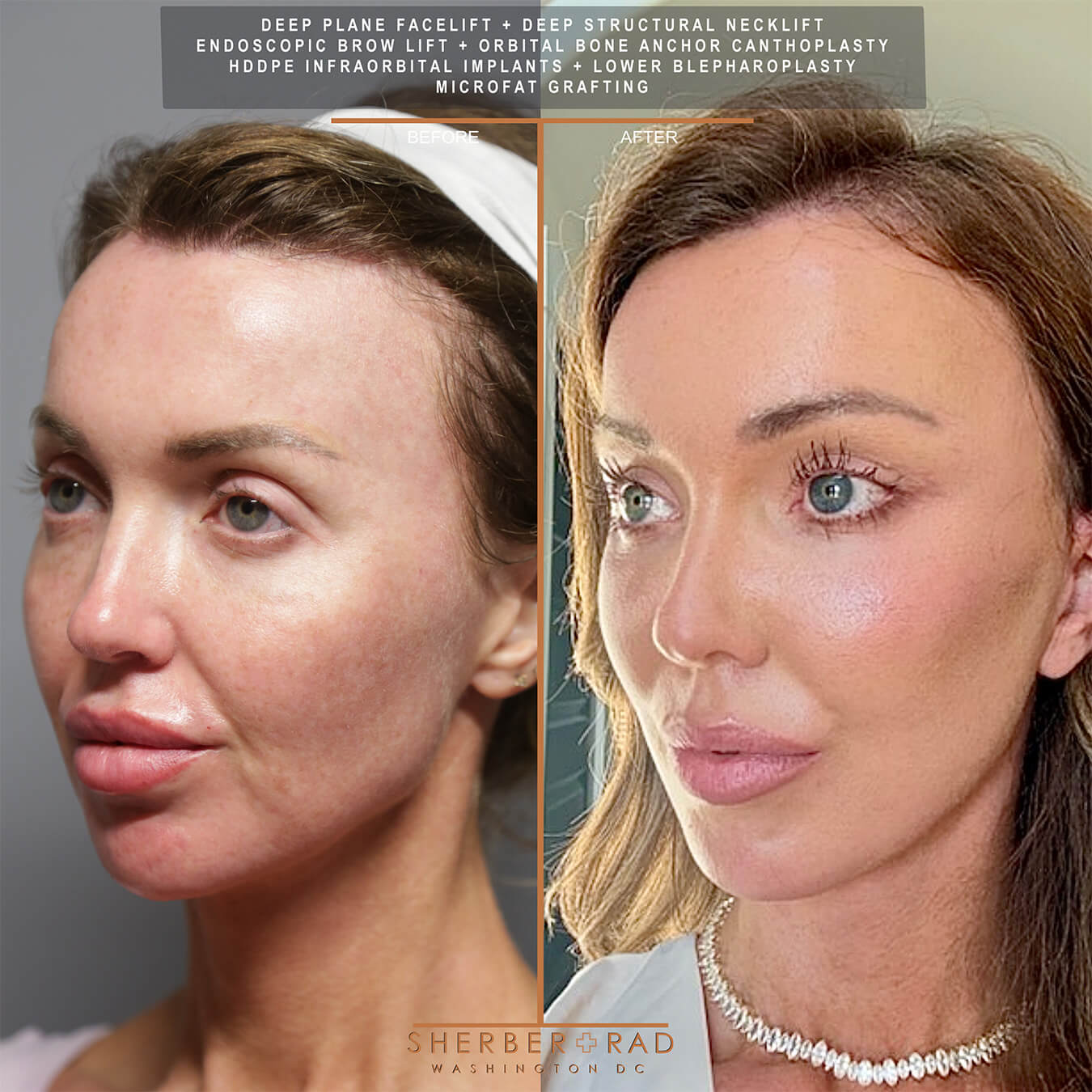
One of the most visible expressions of ethics in aesthetic surgery is the pursuit of natural results. Ethics guides us to avoid overcorrection, exaggerated changes, or procedures that compromise individuality. A patient’s identity should never be sacrificed for a trend or ideal that does not align with their natural features.
At SHERBER+RAD, we view natural outcomes as a reflection of respect for the patient. Surgery is not about creating someone new; it is about enhancing the beauty that already exists. Ethical decisions, technical skill, and artistic judgment converge to create results that are harmonious, subtle, and authentic.
Teaching and Advocacy
Ethics extends beyond the operating room. Part of our role as aesthetic surgeons is to advocate for patient education, professional standards, and informed decision-making. This includes sharing knowledge with colleagues, participating in continuing education, and supporting initiatives that promote board certification and patient safety.
By advancing ethics in the field, we help raise the standard of care for all patients. This collective responsibility strengthens the integrity of aesthetic medicine and ensures that more patients benefit from safe, effective, and thoughtful interventions.
Conclusion
The ethics of aesthetic surgery are central to the work we do. Saying no when necessary, maintaining high standards, prioritizing safety, and guiding patients toward natural and appropriate results are all part of a surgeon’s ethical duty. At SHERBER+RAD, these principles guide every consultation, every procedure, and every interaction with patients.
Ethical practice is not always easy, but it is essential. It protects patients, builds trust, and ultimately allows surgeons to achieve results that are beautiful, lasting, and aligned with the individual’s identity. In aesthetic surgery, ethics and artistry are inseparable. By committing to both, we provide care that is not only transformative but also responsible, respectful, and profoundly human.